
How Much Money Do I Need to Buy a House? Down Payments, Credit Scores & Closing Costs Explained
Nov 3, 2026
One of the biggest misconceptions I hear from first-time homebuyers is:
“I can't buy a house because I don't have 20% down.”
Please do not let that stop you from calling me.
You absolutely do not always need 20% down to buy a house.
In fact, depending on the loan program and your qualifications, the amount needed for a down payment can be significantly less — and some eligible buyers may have zero-down options.
So let's break down what you actually need to buy a home.
Do I Need 20% Down to Buy a House?
No.
Twenty percent down can have benefits, but it is not a universal requirement.
There are several common mortgage options with lower down payment requirements.
Conventional loans: Some qualified buyers may be eligible for as little as 3% down.
FHA loans: FHA financing commonly requires a 3.5% down payment for qualifying borrowers.
VA loans: Eligible veterans and service members may qualify for zero-down financing.
USDA loans: Eligible buyers purchasing eligible properties may also have a zero-down option.
There are also down payment assistance programs that may help certain buyers with upfront costs.
The right program depends on your credit, income, debts, property, location and overall financial situation.
That's why I don't believe in putting every buyer into the same mortgage box.
What Credit Score Do I Need to Buy a House?
Another question I hear constantly:
“My credit isn't perfect. Can I still buy?”
Maybe!
You do not necessarily need an 800 credit score to qualify for a mortgage.
Different loan programs have different credit requirements, and credit score is only one part of the approval.
Your recent payment history, existing debts, income, assets and the overall loan profile matter too.
This is also why I encourage people to talk with me before spending months trying to “fix” their credit on their own.
Sometimes buyers are much closer than they think.
Other times, I can identify the specific things we need to work on and create a plan.
Down Payment Is NOT the Same Thing as Cash to Close
This is one I wish every first-time homebuyer knew.
Your down payment and your total cash needed at closing are not necessarily the same number.
In addition to the down payment, a transaction may include things like:
Closing costs
Prepaid homeowners insurance
Property tax escrows
Initial escrow deposits
Appraisal or other transaction-related costs
But before that sounds terrifying, there can also be ways to reduce what you personally need to bring.
Seller concessions may help cover eligible closing costs.
Lender credits may sometimes be available depending on the loan structure.
Certain buyers may qualify for down payment assistance.
There isn't one universal “you need $10,000 to buy a house” answer.
What Are Seller Concessions?
Seller concessions are one of my favorite things to explain because they can be incredibly useful when structured correctly.
As part of your purchase offer, your Realtor may negotiate for the seller to contribute money toward allowable closing costs.
Depending on the loan program and transaction, those funds can potentially help with closing costs, prepaid expenses or even an interest-rate buydown.
That can preserve more of your savings or help us lower the monthly payment.
This is why I love working closely with my buyers' Realtors before the offer is written.
The way we structure the offer can matter just as much as the price.
What If I Only Have a Few Thousand Dollars Saved?
Call me anyway.
Seriously.
Don't disqualify yourself before I even look at the numbers.
Maybe you're ready now.
Maybe a down payment assistance option works.
Maybe we need seller concessions.
Maybe you need another $2,000 saved.
Maybe we need six months.
I'd rather tell you exactly where you stand than have you spend another year renting because you assumed homeownership wasn't possible.
Should I Drain My Savings to Make a Bigger Down Payment?
Usually, this deserves a much bigger conversation.
Putting more money down can lower your loan amount and potentially your monthly payment.
But I also don't love the idea of someone buying a house and having exactly $14.72 left in their bank account afterward.
Because apparently the water heater can sense when you have no savings.
There is value in keeping reserves.
Sometimes putting slightly less down and maintaining an emergency fund makes more financial sense than draining your savings just to reach a certain down-payment percentage.
We can compare the options.
First-Time Homebuyer Options in Terre Haute and Vigo County
If you're a first-time homebuyer in Terre Haute, Vigo County or elsewhere in Indiana, don't assume the loan program your friend used is automatically the best program for you.
Depending on your situation, we can look at conventional, FHA, VA, USDA and available assistance options and compare them.
My job isn't just to get you approved.
I want you to understand why we're choosing a particular mortgage and what that choice means for your down payment, monthly payment and total cash needed at closing.
Find Out Before You Assume You Can't Buy
If you've been Googling:
“How much money do I need to buy a house?”
“What credit score do I need for a mortgage?”
“Do I need 20% down?”
“Are there first-time homebuyer programs in Indiana?”
Those are exactly the conversations I have with buyers every day.
You don't need to know all the answers before calling a lender.
That's literally my job.
If you're considering buying a home in Terre Haute, Vigo County or anywhere in Indiana or Illinois, reach out and let me look at your actual situation.
You may be closer to buying a home than you think — and if you aren't there yet, I'll help you understand exactly what needs to happen next.
Frequently Asked Questions About Down Payments and Buying a Home
How much money do I need to buy a house?
There isn't one set amount. Your total cash needed depends on your purchase price, loan program, down payment, closing costs, prepaid expenses and any seller or lender credits or assistance available. Some buyers need substantially less cash than they initially expect, which is why it's worth having me calculate your specific numbers before assuming you aren't ready.
Do I need 20% down to buy a house?
No. A 20% down payment is not required for every mortgage. Qualified buyers may have conventional options with as little as 3% down, FHA financing commonly allows 3.5% down, and eligible VA and USDA borrowers may have zero-down options. The best loan program depends on your individual qualifications.
What credit score do I need to buy a house?
There isn't one credit score required for every mortgage. Requirements vary by loan program, lender guidelines and the overall loan file. Your credit score can also affect your interest rate, mortgage insurance and available financing options. If your credit isn't perfect, I recommend talking with me before assuming you won't qualify.
Is my down payment the same as my cash to close?
No. Your down payment is only one part of the transaction. Cash to close can also include closing costs, prepaid homeowners insurance, property tax escrows and other expenses, minus applicable deposits, seller concessions, lender credits or assistance. I provide my buyers with an estimate so they understand both the down payment and the expected total cash needed.
Can the seller pay my closing costs?
Depending on your loan program and transaction, the seller may be able to contribute toward allowable closing costs through seller concessions. The amount permitted varies by loan type and other factors. This is something I can help your Realtor evaluate before an offer is written so we can structure the financing strategically.
Are there down payment assistance programs for first-time homebuyers in Indiana?
There are down payment assistance options available to some Indiana homebuyers, but eligibility depends on the specific program and can include requirements involving income, credit, property type, purchase price and other factors. I can review your situation and compare available assistance with traditional mortgage options to determine which approach makes the most financial sense.
Chelsea Lentes Senior Loan Officer | Ruoff Mortgage Lending with Lentes Serving homebuyers throughout Terre Haute, Vigo County, Indiana and Illinois
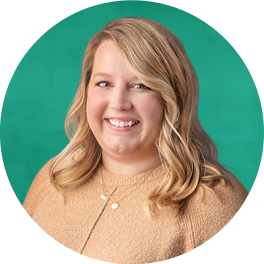
Chelsea Lentes Senior Loan Officer
Nov 3, 2026
Chelsea Lentes
Senior Loan Officer
NMLS: 1481193
Ruoff Mortgage Company, Inc., doing business as Ruoff Mortgage, is an Indiana corporation. This blog is for general informational purposes only and is not intended to provide financial, legal, or credit advice. It is not an offer to extend credit, a commitment to lend, or a guarantee of loan approval or specific loan terms. All loans are subject to borrower eligibility, verification, and satisfaction of applicable underwriting guidelines. Information is current as of the date posted and is subject to change without notice. Equal Housing Lender. NMLS ID 141868. For complete licensing information, visit www.nmlsconsumeraccess.org.