
Down Payment Assistance in Marshall, Fulton, and Starke Counties: First-Time Buyer Programs Explaine
Oct 20, 2026
Buying a home for the first time often brings excitement mixed with questions about how to cover the upfront costs. Down payment assistance in Marshall, Fulton, and Starke counties can open doors that might otherwise stay closed. Many buyers in this market wonder where to start when traditional savings fall short. Programs designed for first-time buyers focus on making ownership more accessible without requiring large cash reserves at closing.
What Down Payment Assistance Means for Local Buyers
Down payment assistance provides funds that reduce or eliminate the cash needed at the start of a purchase. In this area, options exist through specific programs that pair with certain loan types. These tools help cover part of the purchase price or closing costs. Buyers gain flexibility when they meet basic credit and income guidelines.
The process begins with understanding which programs fit a given situation. Some assistance comes as a grant while others involve a second loan that repays over time. Local buyers benefit from reviewing details early so they can plan accordingly.
HomeNow Program Through Ruoff Mortgage
Ruoff Mortgage offers the HomeNow program as one of the most inclusive options available. This program supports 100 percent financing for qualified FHA borrowers along with up to 5 percent in down payment assistance. It also includes closing cost options in many cases.
Eligibility centers on a minimum credit score of 600 for most properties. Debt-to-income ratios can reach up to 55 percent. There is no maximum borrower income limit. The program works for first-time and repeat buyers alike. It applies to any single-family home with no location restrictions.
A repayable second lien covers the assistance amount. This second lien carries a 10-year amortization and a rate 2 percent higher than the first lien. Home buyer education is required before closing. Not every applicant will receive assistance, so early conversations help set realistic expectations.
IHCDA First Step Program
The IHCDA First Step program provides another avenue for buyers who need support with initial costs. It targets those who meet state-specific criteria and often pairs well with FHA financing. Qualification involves credit thresholds and income guidelines that vary by household size.
This option appeals to young professionals and move-up buyers who have steady employment but limited savings. It works alongside standard loan products to lower the barrier to entry. Local buyers in Marshall, Fulton, and Starke counties can explore how this fits their timeline.
USDA Financing Options
USDA loans serve rural and suburban areas with their own form of assistance built into the structure. These loans allow for 100 percent financing in eligible locations. They carry competitive terms for those who qualify based on income limits and property location.
Buyers who work in smaller communities often find this route helpful. The program emphasizes long-term affordability. Checking property eligibility early prevents surprises during the application process.
How to Qualify for These Programs
Qualification starts with a credit review. Most programs require at least a 600 score, though manufactured homes may need 620. Lenders examine debt levels to ensure payments remain manageable. Income documentation shows the ability to sustain the mortgage over time.
Home buyer education courses form another common requirement. These classes cover budgeting, maintenance, and the responsibilities of ownership. Completing them demonstrates readiness and satisfies program rules.
Buyers should gather recent pay stubs, tax returns, and bank statements. A conversation with a loan officer clarifies which program aligns best with individual circumstances. Contact me for state eligibility and other requirements.
Steps to Get Started Locally
Schedule an initial consultation to review credit and goals.
Identify target neighborhoods and property types.
Complete required education courses.
Submit full documentation for pre-approval.
Compare assistance amounts across available options.
Each step builds toward a clearer picture of what is possible. Taking action early gives more time to address any gaps.
Frequently Asked Questions
How does credit score affect approval? A minimum of 600 opens most doors, while higher scores can improve terms and options.
Can repeat buyers use these programs? Yes, several programs welcome both first-time and repeat purchasers when other criteria are met.
What income limits apply? Some programs have no maximum income cap while others follow area guidelines that adjust annually.
Is home buyer education mandatory? Most assistance programs require completion of an approved course before closing.
How long does the process take? Timelines vary but typically range from a few weeks to a couple of months once documentation is complete.
Can assistance cover closing costs too? Certain programs allow a portion of funds to apply toward closing expenses in addition to the down payment.
Ready to explore your options? Reach out. I am here to help.
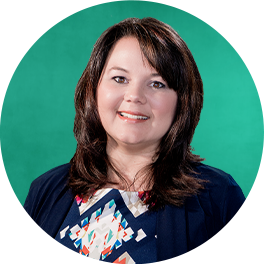
Jessica Prater Senior Loan Officer
Oct 20, 2026
Jessica Prater
Senior Loan Officer
NMLS: 1460089
Ruoff Mortgage Company, Inc., doing business as Ruoff Mortgage, is an Indiana corporation. This blog is for general informational purposes only and is not intended to provide financial, legal, or credit advice. It is not an offer to extend credit, a commitment to lend, or a guarantee of loan approval or specific loan terms. All loans are subject to borrower eligibility, verification, and satisfaction of applicable underwriting guidelines. Information is current as of the date posted and is subject to change without notice. Equal Housing Lender. NMLS ID 141868. For complete licensing information, visit www.nmlsconsumeraccess.org.