
First Time Homebuyer tips
Jun 10, 2026
The Complete 2026 Guide to Buying Your First Home
Buying your first home in 2026 is one of the biggest and most rewarding steps you can take. It might feel like a lot to figure out at first, but with the right information and a little planning, the process becomes much more manageable. This guide walks you through everything you need to know, from getting your finances in order to closing day and beyond.
Whether you are just starting to dream about homeownership or you are ready to make moves this year, you will find practical tips and clear answers here.
Why Buying Your First Home in 2026 Feels Different
The housing market continues to shift, and 2026 brings its own mix of opportunities. Interest rates have stabilized in many areas, and more inventory is appearing in suburban and mid-sized cities. First-time buyers like you can take advantage of these changes if you prepare ahead.
Many people are finding that patience and solid preparation pay off more than rushing into a purchase. Understanding current trends helps you set realistic expectations and avoid common frustrations.
Get Your Finances Ready Before You Start Looking
Before you fall in love with any house, take a close look at your money situation. Lenders want to see steady income, manageable debt, and a solid credit history.
Start by pulling your credit reports and checking your score. Even small improvements, like paying down credit cards or correcting errors, can make a noticeable difference. Aim for a score in the mid-600s or higher for the best options.
Next, build a realistic budget that includes more than just the mortgage payment. Factor in property taxes, insurance, utilities, and regular maintenance. Many first-time buyers are surprised by these extra costs, so planning for them now keeps surprises to a minimum.
How Much Do You Really Need for a Down Payment?
One of the biggest questions people ask is how much money they need upfront. The good news is you do not always need 20 percent. Many first-time buyers use programs that allow as little as 3 to 5 percent down.
Saving for closing costs is just as important. These usually run between 2 and 5 percent of the purchase price and cover things like appraisals, title insurance, and origination fees. Setting aside a little extra each month helps you feel confident when the time comes to make an offer.
Understanding Your Mortgage Options
Choosing the right loan type makes a big difference in your monthly payment and long-term costs. Fixed-rate mortgages offer predictable payments that stay the same over the life of the loan. Adjustable-rate options can start lower but may change later.
Government-backed loans, such as FHA or VA products, often come with more flexible credit and down-payment requirements. Conventional loans tend to require stronger credit but can offer competitive rates once you qualify.
Take time to compare how each option fits your situation. A quick conversation with a trusted mortgage professional can clear up which path makes the most sense for your goals.
The Step-by-Step Home Buying Process
Here is a simple breakdown of what to expect:
Get pre-approved so you know exactly what you can afford.
Work with a real estate agent who understands first-time buyer needs.
Tour homes and make an offer on the one that fits your lifestyle and budget.
Complete inspections and appraisals to protect your investment.
Finalize your loan and prepare for closing.
Each step builds on the last, so staying organized with a checklist or folder of documents keeps everything moving smoothly.
Common Questions First-Time Buyers Ask
Many people wonder how long the whole process takes. From pre-approval to closing, most buyers spend two to three months, though it can vary based on the market and your readiness.
Another frequent question is whether rates will drop further. While no one can predict the future exactly, locking in a rate when it feels comfortable often beats trying to time the market perfectly.
Mistakes to Avoid Along the Way
One of the biggest missteps is skipping the pre-approval step and falling in love with homes outside your range. Another is ignoring the importance of an inspection, which can reveal costly issues later.
Try not to make large purchases or change jobs right before applying, as these can affect your approval. Staying steady during the process helps everything go more smoothly.
What to Expect on Closing Day
Closing day is exciting and a little nerve-wracking. You will sign a stack of documents, pay your remaining costs, and finally receive the keys. Take your time reading everything and ask questions if anything feels unclear.
After closing, celebrate the milestone. Then start planning how you will make the house feel like home.
Frequently Asked Questions
What credit score do I need to buy a home in 2026? Most conventional loans look for scores around 620 or higher, while FHA options can work with scores in the low 500s with compensating factors. Improving your score even a little can unlock better rates.
How long does it take to save for a first home? It depends on your income, expenses, and target down payment amount. Many buyers set a two- to three-year savings goal and automate transfers to stay on track.
Can I buy a home with student loans? Yes, student loans are factored into your debt-to-income ratio. Lenders look at your overall monthly obligations rather than the loans themselves.
What documents will I need to apply? Expect to provide pay stubs, tax returns, bank statements, and identification. Having these ready speeds up the pre-approval process.
Is it better to wait for lower rates? Waiting can feel tempting, but rising home prices sometimes offset rate savings. Focusing on your personal readiness often leads to better outcomes than trying to predict the market.
How do I know if I am ready to buy? If your credit is stable, you have steady income, and you plan to stay in the area for several years, you are likely in a good position to start exploring options.
Ready to explore your options? Reach out — I’m here to help.
Contact me by phone or text 812-327-8547 or email sally.burks-elmore@ruoff.com
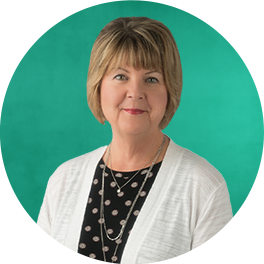
Sally Burks Elmore Senior Loan Officer
Jun 10, 2026
Sally Burks Elmore
Senior Loan Officer
NMLS: 1029858
Ruoff Mortgage Company, Inc., doing business as Ruoff Mortgage, is an Indiana corporation. This blog is for general informational purposes only and is not intended to provide financial, legal, or credit advice. It is not an offer to extend credit, a commitment to lend, or a guarantee of loan approval or specific loan terms. All loans are subject to borrower eligibility, verification, and satisfaction of applicable underwriting guidelines. Information is current as of the date posted and is subject to change without notice. Equal Housing Lender. NMLS ID 141868. For complete licensing information, visit www.nmlsconsumeraccess.org.